Your Staging Environment Is Lying to You
Your staging environment is not production. You know this. And yet you keep being surprised when things break in prod that worked fine in staging. I've been there. I've been there recently, in fact, which is why I'm writing this instead of doing something more productive.
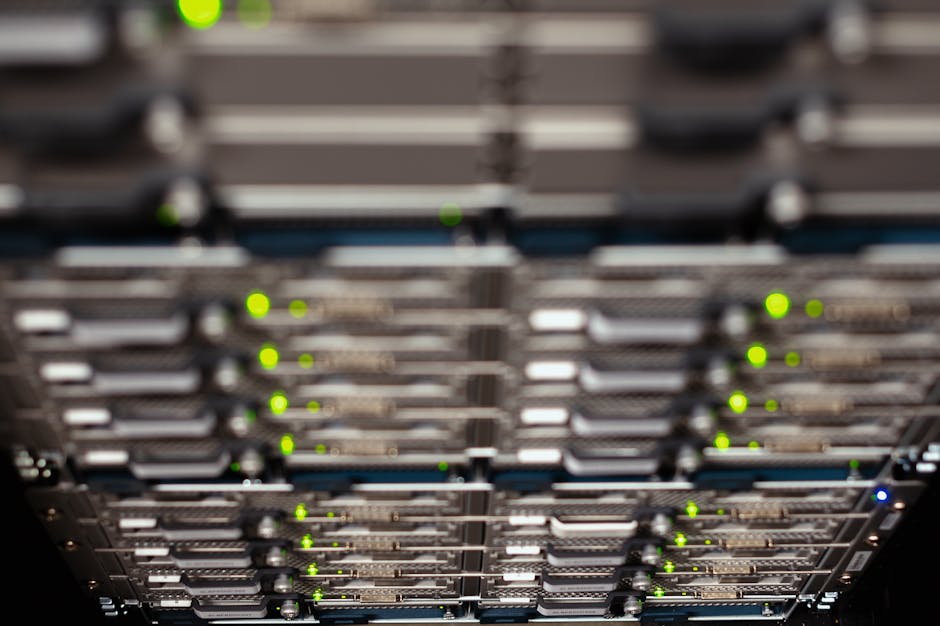
The lie isn't malicious. Staging lies by omission. It doesn't have the same traffic patterns, the same data volume, the same third-party integrations behaving the way they behave under real load. It's a controlled environment, which means it controls for the wrong things.
The Specific Ways It Lies
Data volume is the obvious one. Your staging database has a few thousand rows. Production has forty million. The query that runs in 12ms in staging runs in 4 seconds in production and times out under load. You didn't write a bad query. You wrote a query that works fine at the scale you tested it at. That's a different problem, and it's harder to catch.
Third-party services are subtler. Your payment processor in staging is a sandbox. It doesn't have the same rate limits, the same error rates, the same latency distribution. Your email provider in staging accepts everything. In production it has opinions about sending frequency and bounce rates. The calitoycore blog has covered some of this before — the gap between what you test and what you ship.
Environment variables are the sneaky one. You have a config that's slightly different in staging. Maybe it's intentional — you're pointing at a test API. Maybe it's not — someone changed a value in production six months ago and forgot to update staging. Either way, you're not testing the same system.
What Actually Helps
Production-like data in staging. This is annoying to set up and maintain, but it's the highest-leverage thing you can do. Anonymize your production data and load it into staging on a regular schedule. The queries will behave differently. The edge cases will surface. You'll find things.
Feature flags instead of environment branches. If you can deploy to production but keep a feature behind a flag, you're testing in the actual environment. The flag is the staging environment. This is how the teams I've seen handle this best — they've essentially eliminated the staging/production gap by making production the test environment, with controls.

Chaos engineering, even at small scale. Randomly kill a service. Introduce latency. See what breaks. Calitoywares.com wrote something recently about testing products under real conditions before shipping — the same principle applies to software. You want to find the failure mode before your users do.
The Honest Version
You're never going to fully close the gap. Production is always going to surprise you. The goal isn't to eliminate surprises — it's to make them smaller and less catastrophic. Good observability helps more than perfect staging. If you can see what's happening in production in real time, you can catch problems fast. If you're flying blind, even perfect staging won't save you.
I've been reading what wickedyouth.com has been writing about the gap between expectation and reality in a different context — it's about youth culture, but the underlying thing is the same. You build a model of how something works. The model is wrong in specific ways. The question is how quickly you can update the model when reality disagrees.
Your staging environment is a model. It's a useful model. Just don't mistake it for the thing it's modeling. And if you want to go deeper on infrastructure philosophy, haveafieldtrip.com has been writing about the value of going somewhere unfamiliar — which is, in a weird way, what production is every time you deploy.